
How Saving Land Protects Greenville
The Best Protection Against Flooding... May Be Land That Never Gets Built On.
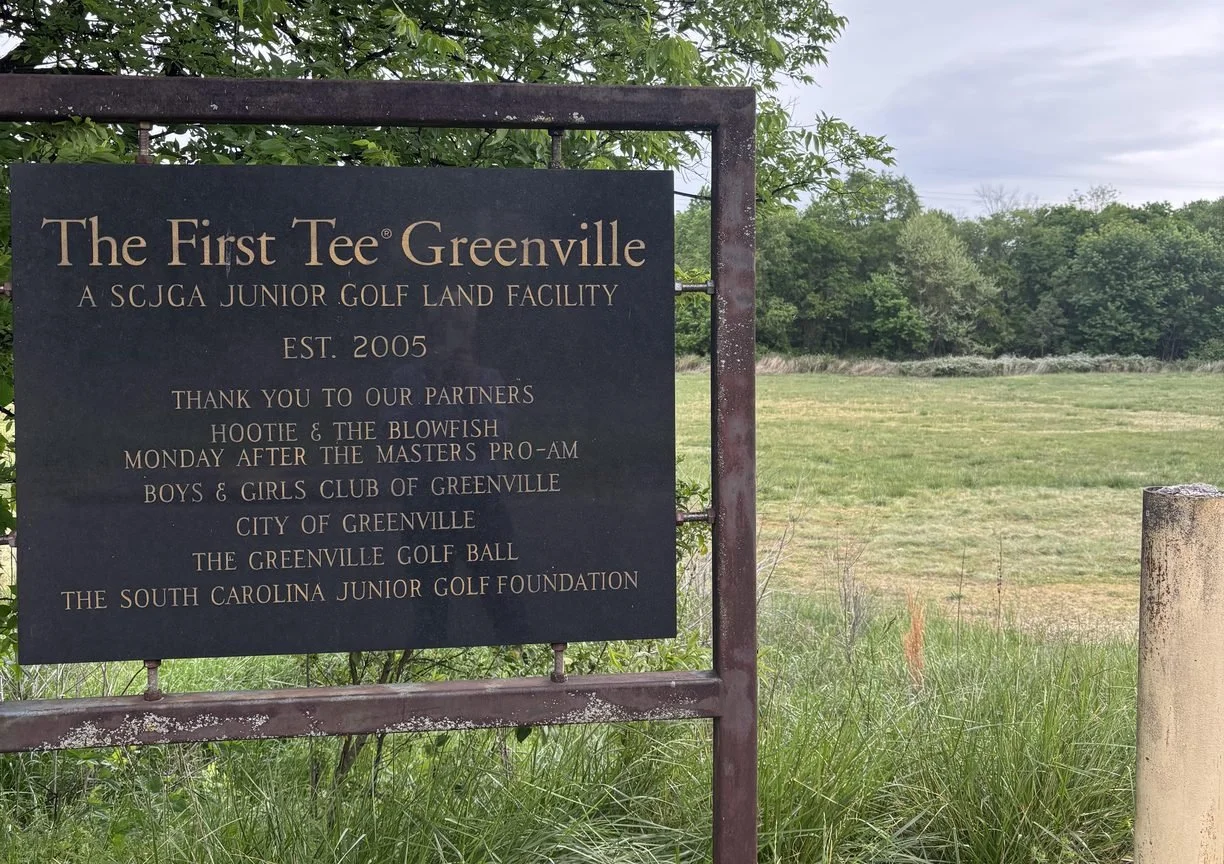
Once the site of Greenville's First Tee program becomes an asset for all, promoting resilience and quality of life. Just northwest of Greenville's Unity Park, 17+ acres of land could have become the next development. Instead, it will become something far more valuable: A natural place to hold floodwaters, protect neighborhoods, and strengthen Greenville's future. After more than two years of persistence, public and private partners worked together to protect land, not build on it; instead, they let nature do its job.
Nature Is Infrastructure.
This property will quietly deliver benefits every day:
Reducing flooding by giving stormwater a safe place to spread and soak in
Protecting homes and businesses downstream
Improving water quality before runoff reaches the Reedy River
Preserving wildlife habitat and recreational opportunity in the heart of a growing city
No concrete. No steel. Just smart planning.
A Powerful Lesson in Partnership.
This project happened because partners worked together... and because each dollar was multiplied.
The Greenville County Historic & Natural Resources Trust led negotiations and made the first funding commitment ($100,000)
The SC Conservation Bank matched that investment ($100,000)
The City of Greenville joined the effort with funds plus an adjoining 4-acre parcel AND will become the property owner ($120,000)
A local citizen, Lea Rorhabugh, invested through her newly-created New Leaf Fund to help make projects like this possible ($50,000)
The Community Foundation of Greenville matched New Leaf's support ($50,000)
And the Salvation Army, longtime steward of the land, made the opportunity possible
No single partner could have done this alone. But together, they turned vulnerable land into lasting protection for the community.
Why This Matters.
Here's what Alan Mitchell, the County Councilman who represents the district that includes the property, says:
"This project shows what can happen when government at every level works together with private citizens to solve real problems. By layering funding from the County Trust, the State, the City, and private donors, we multiplied the impact of every public dollar and delivered a lasting benefit for our entire community."
The question isn't whether development will happen. It will. The real question is: Will we protect the natural places that protect us? And provide quality of life. Sometimes the most important investment a community can make is the decision to leave a place natural.
