
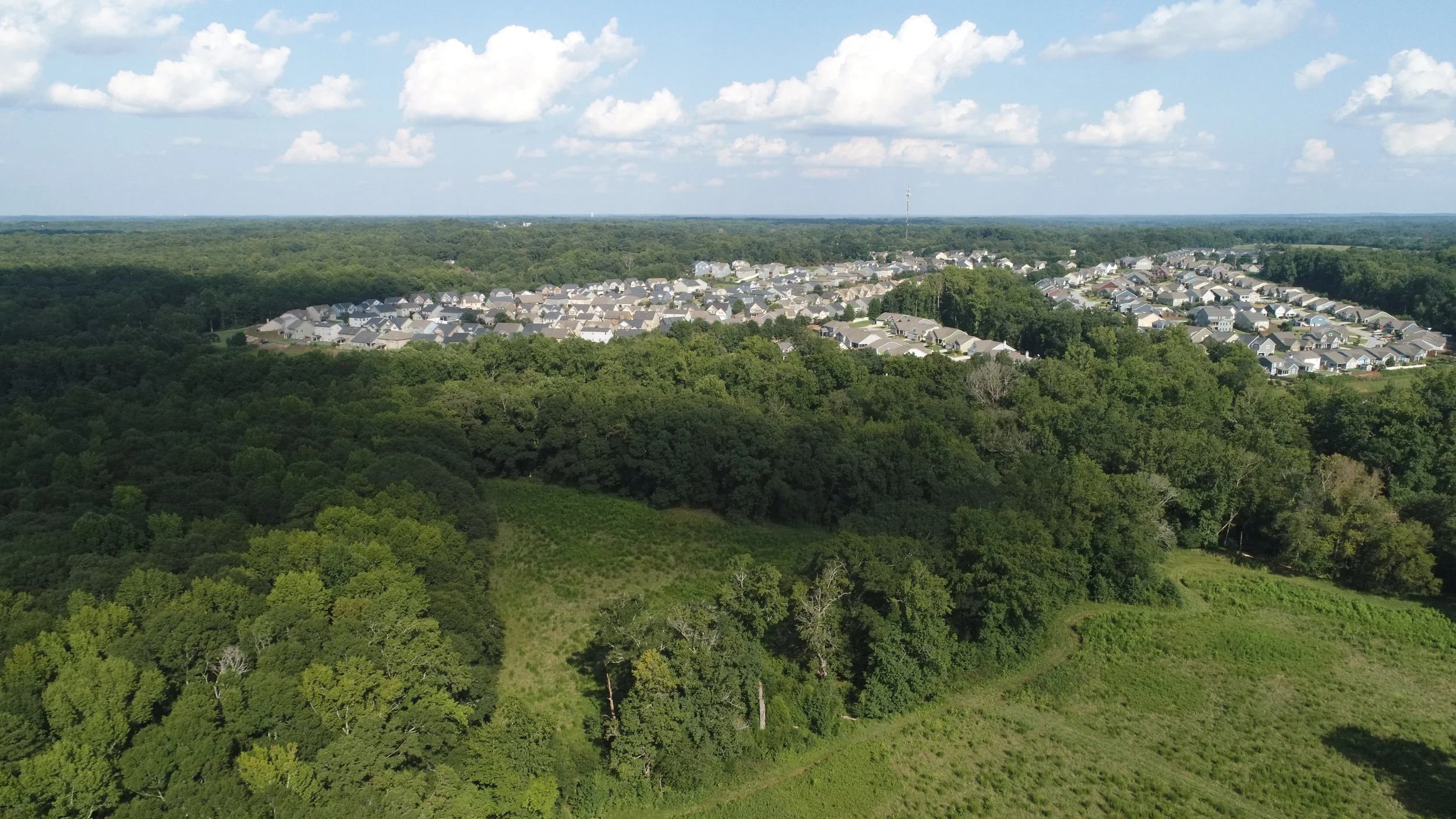
The right tool for forests and farms.
When the goal is production—timber, crops, or clean drinking water—easements align landowner and public interests better than fee purchase.
Why easements fit working landscapes
Purpose-built. Public agencies excel at parks; private owners excel at growing trees and food. Easements secure conservation outcomes while owners run the operation.
Family land security. Easements can be the only viable path to keep a family farm or forest intact across generations—via cash and/or tax benefits—without selling out to development.
Proven at scale. From Greenville Water’s protected reservoir lands to large working-forest easements in the Pee Dee, easements safeguard essential “commodities” like clean water and wood while locking in conservation values.
Public benefits, real and daily. Wildlife habitat, flood mitigation, and water-quality protection flow from well-stewarded private lands.
A fair trade-off. Most working-lands easements don’t offer open public access—but they deliver outsized public benefits at a fraction of full market cost.
Starting Next Week: Conservation Easement Project Spotlights, from 2 to 100 acres.
