
Why Trees Matter in Greenville County
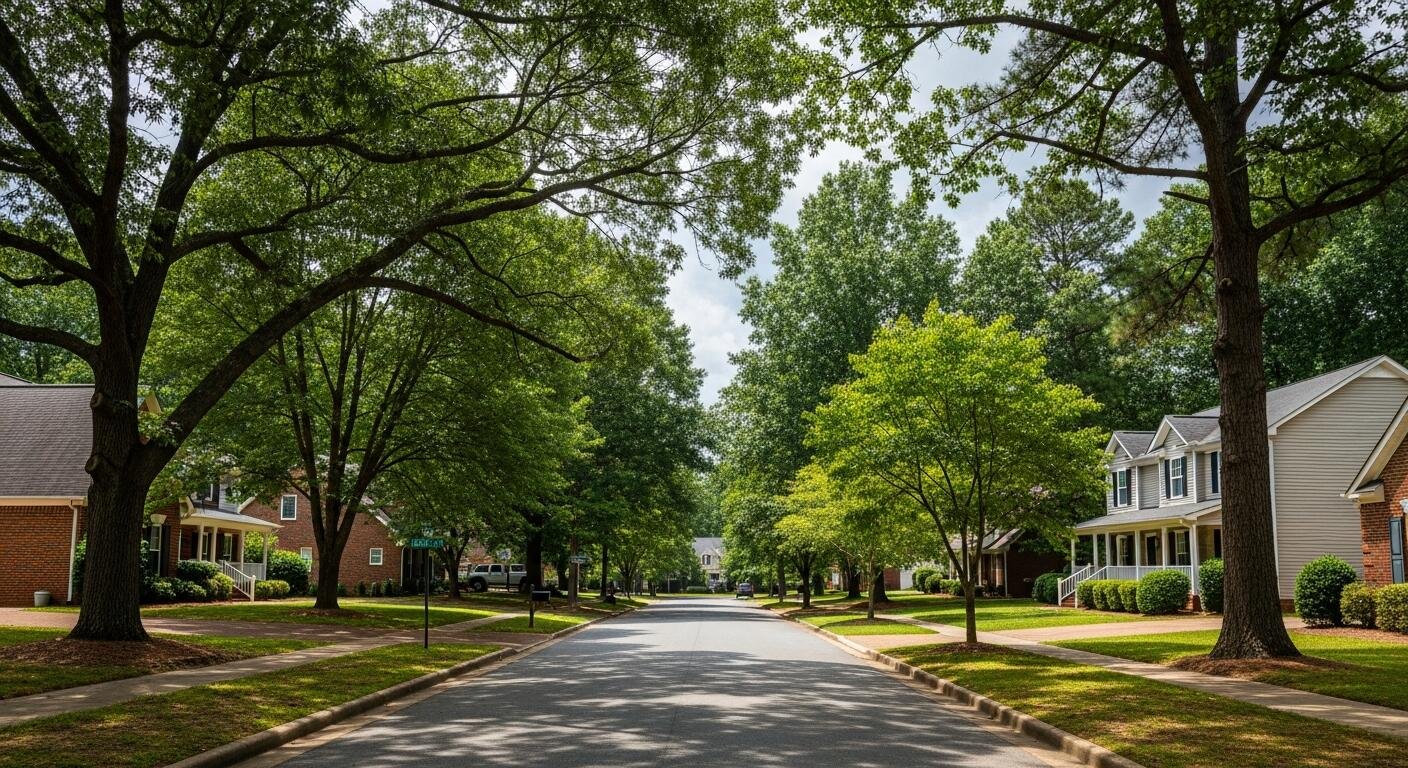
Tree cover is one of the most important—and cost-effective—public assets in Greenville County.
Across Greenville County and its six municipalities—Greenville, Greer, Mauldin, Simpsonville, Fountain Inn, and Travelers Rest—trees quietly deliver daily benefits that protect quality of life and strengthen local economies.
Trees Are “GREEN” Infrastructure
Tree canopy functions much like roads, pipes, and sidewalks:
Reduces heat by shading streets, homes, and businesses
Manages stormwater, slowing runoff and reducing flooding
Improves air quality by filtering pollutants
Extends pavement life by shielding asphalt from sun damage
Replacing these services with engineered systems would cost millions.
Cooler Cities, Healthier Communities
Neighborhoods with strong tree cover experience:
Lower summer temperatures
Reduced heat stress, especially for seniors and children
Better walkability and outdoor activity
And some studies even show lowered crime rates
Tree-lined streets and parks make downtowns more livable and more inviting year-round.
Economic Value You Can See
Tree cover also delivers measurable economic returns:
Homes on tree-lined streets command higher values
Commercial districts with mature trees attract more foot traffic
Employers and visitors favor communities with visible green infrastructure
For municipalities, that translates into higher property values, stronger tax bases, and lower long-term infrastructure costs.
Equity Matters
Tree cover isn’t distributed evenly. Areas with fewer trees:
Are hotter
Experience more runoff
Face higher energy costs
Protecting existing trees—and planting new ones where canopy is limited—is a smart, equitable investment in public health and resilience.
A Countywide Asset Worth Protecting
From neighborhood streets in Greer and Fountain Inn to greenways and downtowns in Greenville and Travelers Rest, tree canopy helps define the character of Greenville County.
Did you know? The best time to plant a tree was decades ago. The second-best time is today.
