
Thoughtful Regulation + Purchases = Smart Growth & Sustainability
Directing growth and protecting open space rests on two complementary pillars: regulation and land protection through purchase
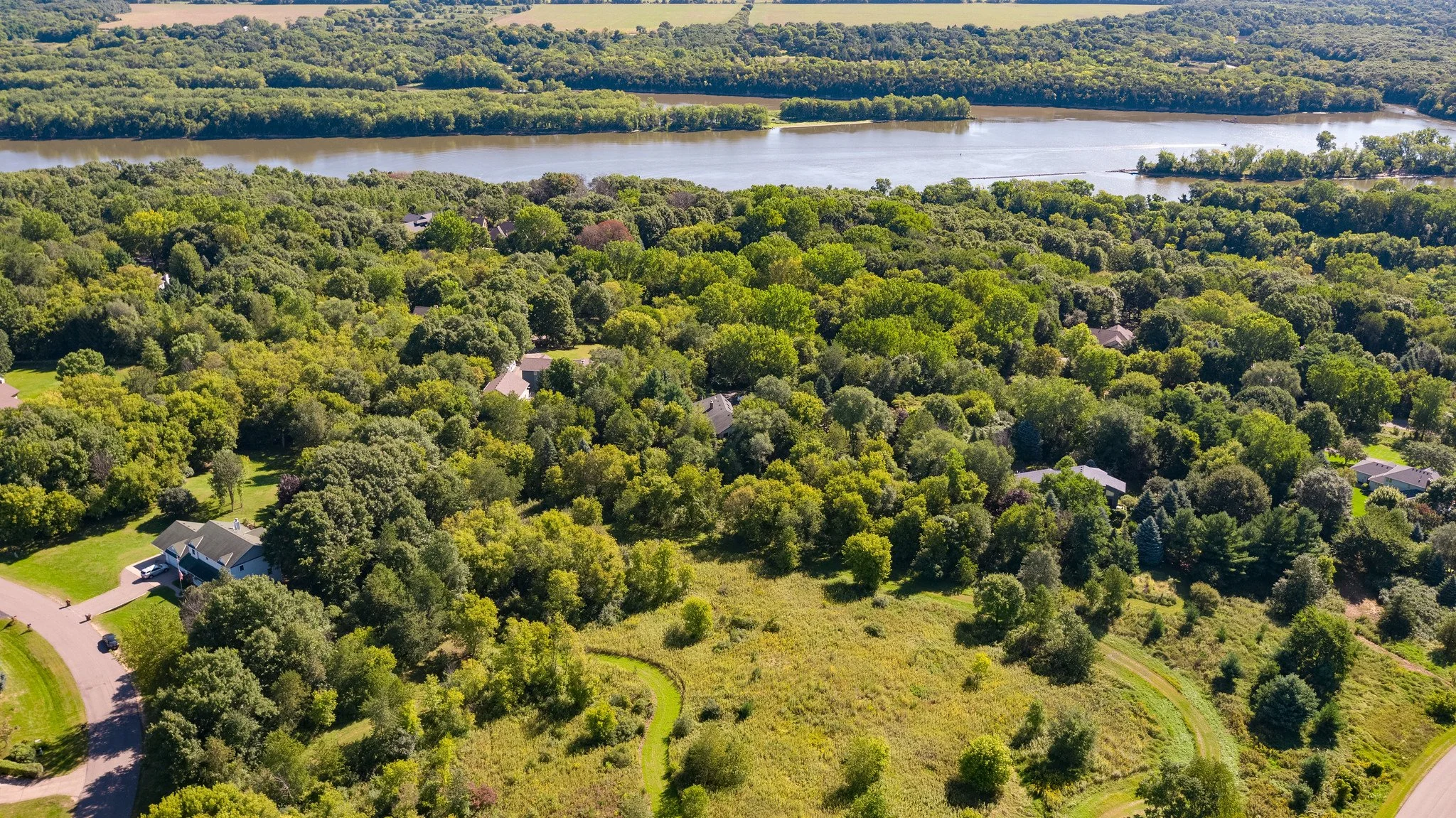
When communities want to guide growth while preserving what makes a place special, they rely on two essential tools that work best together:
🧭 1. Regulation — Guiding where and how growth occurs
Zoning, land-use plans, setbacks, density limits, and environmental standards help:
Direct development to appropriate areas
Reduce conflicts between uses (homes, farms, industry)
Protect floodplains, wetlands, and drinking-water sources
Provide predictability for landowners and developers
Regulation sets the rules of the road, but it has limits—it can change over time and cannot permanently protect land on its own.
🌱 2. Purchase — Permanently protecting land
Buying land in fee or securing conservation easements from willing landowners:
Permanently limits development, regardless of future zoning changes
Keeps farms, forests, and natural areas intact
Protects scenic views, wildlife habitat, and water quality
Often costs far less than future infrastructure or flood damage
Purchase creates certainty and permanence—what regulation alone cannot guarantee.
Why both matter
Regulation without land protection is temporary
Land protection without smart regulation is inefficient
Together, they balance private property rights, economic growth, and public benefit
Bottom line:
The most successful communities don’t choose between regulation or land purchase—they use both to shape growth thoughtfully, protect open space permanently, and invest wisely in their future.
Smart growth isn’t accidental. It’s planned—and protected.
