
Piedmont’s Riverfront Park Is Coming
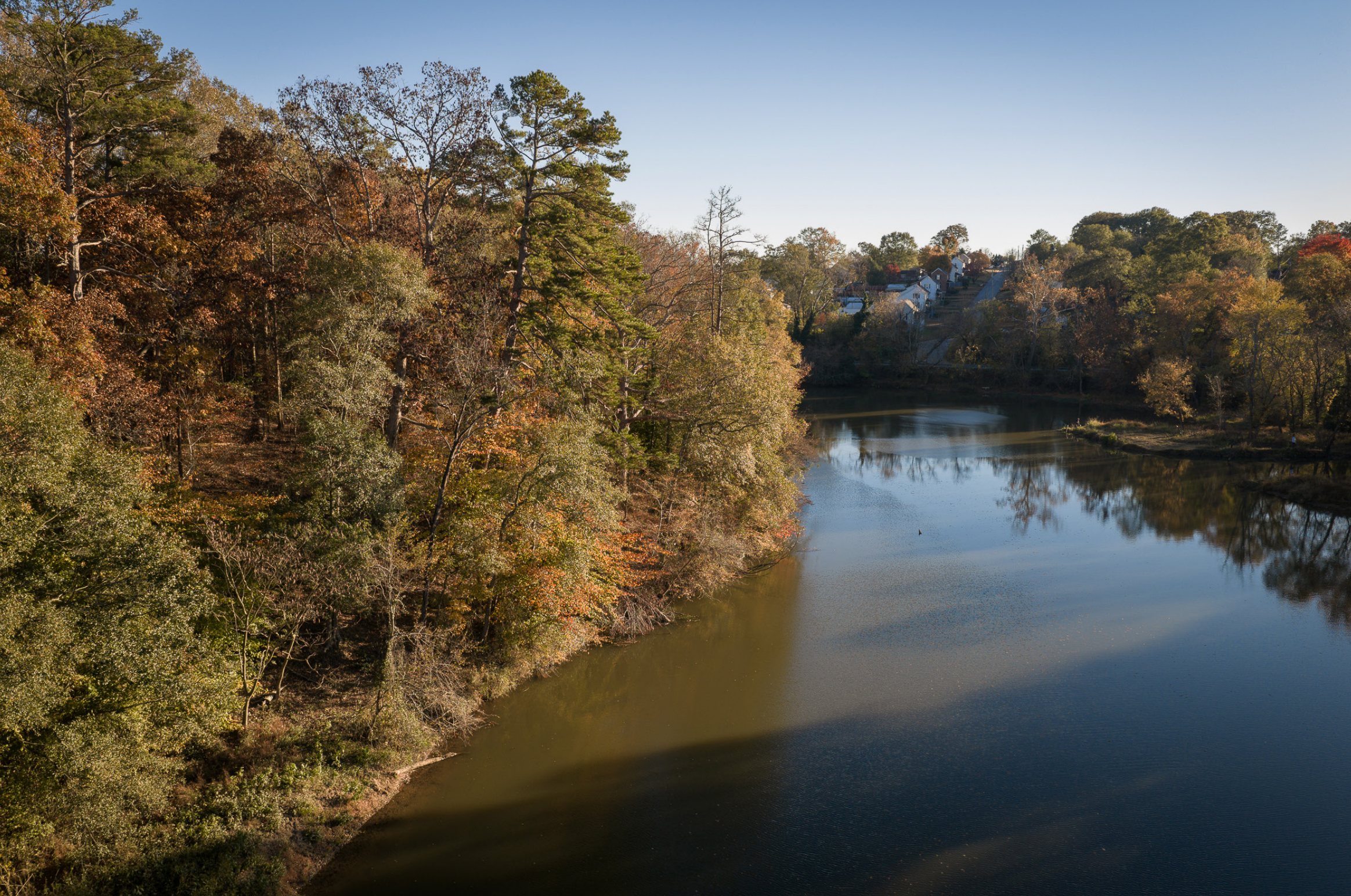
Piedmont's mill village may soon have a "central park" — along the Saluda River
For more than a century, the Saluda River powered the twin Piedmont textile mills, anchoring one of the Upstate's earliest mill villages. The river shaped where people lived, worked, and gathered, but access to it was limited, controlled by industry rather than community.
That's beginning to change.
Open Space: Foundational To Community Redevelopment
As the Piedmont area redevelops, partners are working to reclaim the riverfront as shared public space, transforming the historic mill footprint into what could become the central park of the mill village.
Multiple Partners; Positive Results
On the Greenville County side of the river, the Greenville County Historic and Natural Resources Trust is working with one of the key property owners, Piedmont Village Partners, as the first of several parcels. Piedmont Village Partners is granting a perpetual conservation easement on 2.3 acres, guaranteeing permanent public access to the Saluda River.
That conserved land will adjoin 3.7 acres being donated by Greenville County — properties previously purchased due to repeated flooding. Combined with an additional 6-acre tract just upstream of the dam, this will result in 10+ acres of riverfront park, providing public access to the Saluda both above and below the dam.
A Bright Future for an Old Mill Village
The future park will be owned and operated by the Piedmont Public Service District, ensuring long-term stewardship and community access.
It's a full reversal of how the riverfront has been used. What was once industrial and off-limits is becoming a shared civic space. Just as mill villages once organized daily life around work and waterpower, this emerging park offers Piedmont a chance to organize the next chapter of its identity around public access rather than industry.
As redevelopment continues on both sides of the river, this conserved riverfront could serve as Piedmont's common ground.
