Good Dirt: Nationally Significant Farmland Is More Than “Open Space”
When you see wide, working fields in southern Greenville County, you’re looking at something nationally important.
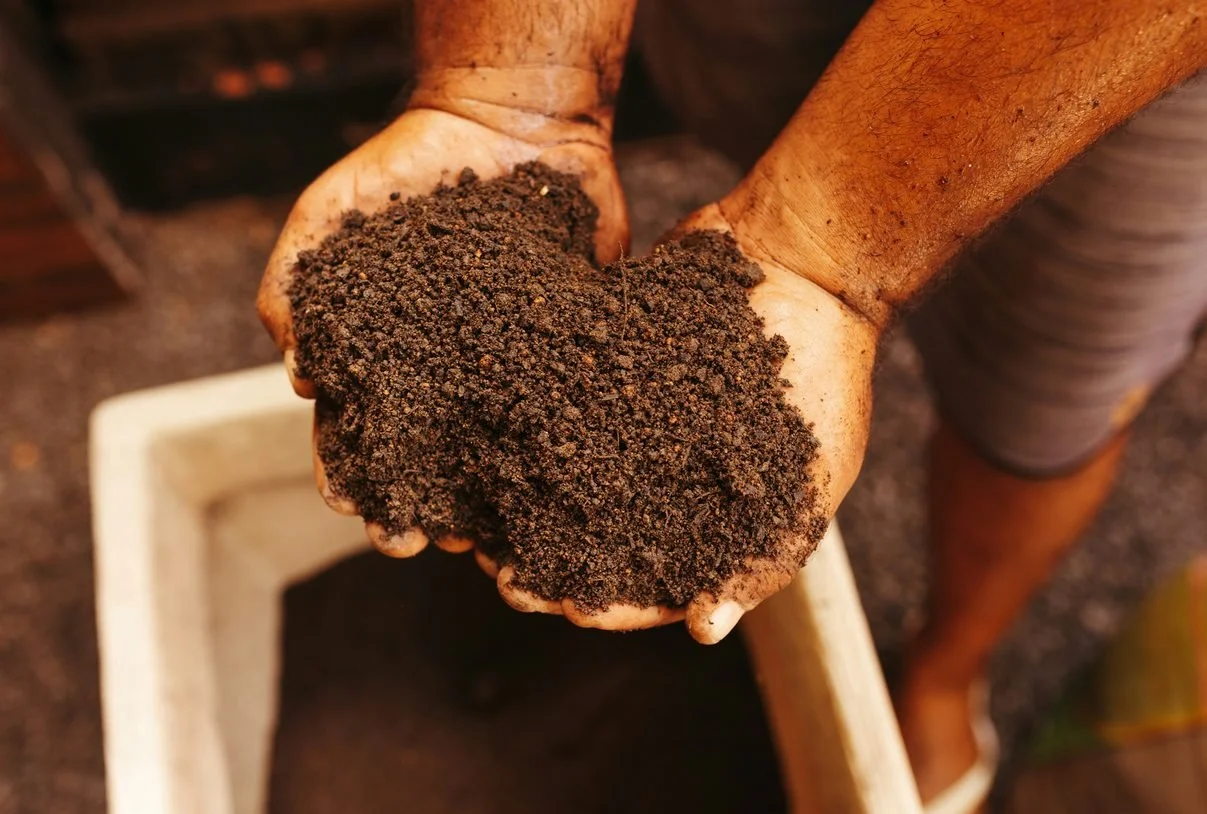
Prime soils are a farmland designation used by the USDA to describe soils with the best combination of physical and chemical characteristics for producing food, feed, fiber, and forage, and doing it reliably over time. In other words, these are the “A+” soils right here in Greenville County.
Why it matters here
In southern Greenville County, nationally significant farmland helps provide the basics we depend on every day:
Food: local produce, grains, livestock feed, and products that can reach your table quickly
Fiber: materials that ultimately support clothing, textiles, and other essentials
Fuel: crops that contribute to renewable fuels and agricultural byproducts used for energy
This isn’t just scenic countryside. It’s productive land with real economic and community value.
What we lose when we pave it
Once nationally significant farmland is covered by roads, rooftops, and parking lots, it’s gone for good.
You can’t “recreate” these soils somewhere else.
The longer the land remains in production, the more resilient and efficient it becomes.
Losing farmland means fewer options for local producers—and less local capacity when supply chains get stressed. Remember items in short supply during the Global Pandemic?
Why protection is smart planning
Protecting nationally significant farmland is a practical investment in Greenville County’s future:
Strengthens local food security and supports farms and farm businesses
Keeps land working—producing food and goods instead of simply being leftover space
Maintains rural character while preserving a key part of our local economy
Supports balanced growth, so development doesn’t erase our best agricultural land
Bottom line
Nationally significant farmland in southern Greenville County isn’t valuable because it’s empty.
It’s valuable because it works—producing food, fiber, and fuel and keeping options open for future generations.