
Protecting What Matters, Part 5: Water for Our Downstream Neighbors
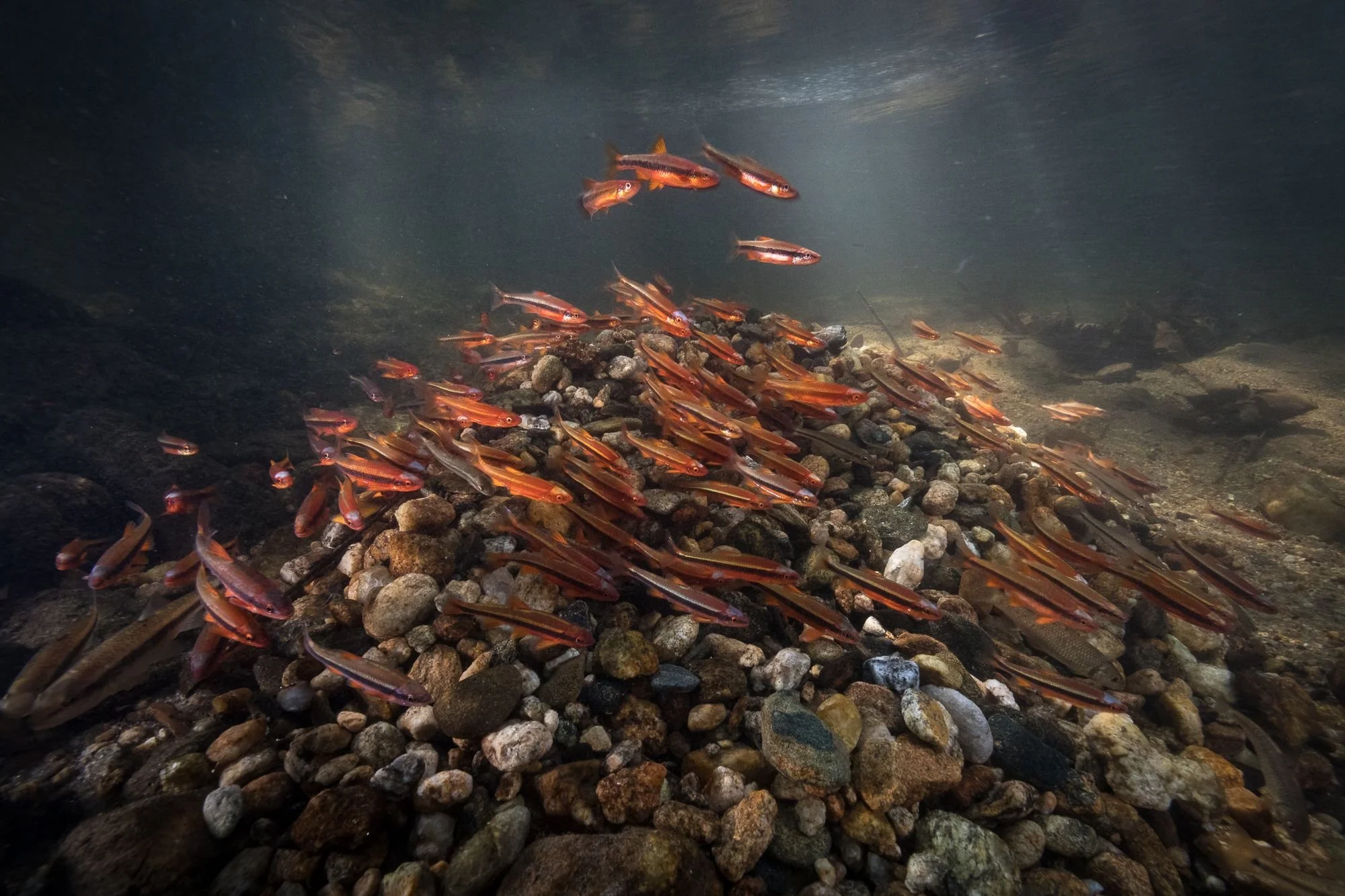
More than a century ago, Greenville made a remarkably farsighted decision: protect the land that protects our water.
Beginning with the Table Rock Watershed in the 1920s, and later the North Saluda Watershed, Greenville invested in owning and protecting the forests surrounding its drinking-water reservoirs.
That investment is still paying dividends today.
Protected forests act as nature's water-treatment system helping keep sediment and pollutants out of the water before they ever reach a reservoir. Greenville has been blessed with exceptionally high-quality source water that today serves the needs of half a million area residents and hundreds of businesses every day. Water that has won multiple "best taste" awards.
But there is another side to the story.
We Live Upstream
The streams and rivers that begin in Greenville County don't stop at the county line. The water leaving our community becomes someone else's water downstream.
That gives us both an opportunity AND a responsibility.
Protecting forests, wetlands, streambanks and floodplains helps keep sediment and pollution out of our waterways. It also protects wildlife habitat and creates cleaner, healthier rivers for fishing, swimming, paddling and just plain enjoyment.
Greenville's forebears understood something more than a century ago that remains just as important today: Protect the land, and you protect the water.
The Greenville County Historic and Natural Resources Trust and its conservation partners are working to carry that legacy forward by protecting the streams and rivers that connect us to our neighbors downstream. That's the work that your Trust undertakes daily with our conservation partners.
Because clean water isn't just something we inherit. It's something we pass on.
